


Saving Money on Groceries: Smart Strategies for UK Shoppers
Introduction: Why Saving Money on Groceries Matters}
In the UK, the cost of living continues to rise — and one of the biggest monthly expenses for households is food shopping. Saving money on groceries isn’t just about finding discounts; it’s about making intentional choices that improve your financial wellbeing.
Whether you’re feeding a family or managing your own household, controlling grocery spending can have a major impact on your monthly budget. With a few smart habits, you can save hundreds of pounds each year while still enjoying nutritious, high-quality food.
Understanding Grocery Price Inflation in the UK
The UK has experienced significant food price inflation over the past few years. According to the Office for National Statistics (ONS), the average price of groceries increased by more than 25% between 2021 and 2024, with staples like milk, bread, and vegetables seeing the biggest jumps.
This makes saving money on groceries more important than ever. Rather than reacting to price rises, proactive shoppers can adapt by changing their buying habits — switching supermarkets, shopping seasonally, and planning meals to reduce waste.
Plan Ahead: The Foundation of Grocery Savings
1. Create a Weekly Meal Plan
Meal planning helps you avoid last-minute takeaway orders and unnecessary supermarket trips. Build your weekly menu around what’s already in your cupboard, current supermarket deals, and seasonal produce.
2. Write a Detailed Shopping List
A shopping list is one of the simplest yet most powerful tools for saving money on groceries. Divide your list by category (produce, frozen, dairy, household, etc.) to make your shop more efficient and focused.
3. Use Apps to Stay Organised
Modern budgeting and shopping apps can make the process easier. Tools like Mealime, Tesco Clubcard, and MySupermarket help you plan meals, compare prices, and track spending in one place.
Shop Smart: How to Save on Every Supermarket Trip
1. Compare Unit Prices
Product packaging can be misleading. Always check the price per 100g or per litre — usually displayed on the shelf label — to ensure you’re getting the best value.
2. Shop at the Right Time
Most major UK supermarkets, including Tesco, Sainsbury’s, and Morrisons, reduce perishable items later in the day. Look out for yellow-sticker discounts in the evenings to save up to 70% on essentials.
3. Avoid Shopping When Hungry
Shopping on an empty stomach increases the likelihood of impulse buys. Eat beforehand so you can make ratioal, cost-effective decisions.
Buy More for Less: Mastering Bulk and Seasonal Shopping
Buying in bulk can lead to significant savings, but it’s only worthwhile if you buy items that last or that you use regularly.
Best Items to Buy in Bulk
Dried goods like rice, pasta, and lentils
Frozen vegetables and meats
Cleaning products and toiletries
Items to Avoid Buying in Bulk
Perishables such as dairy or fresh fruit
Items you’ve never tried before or rarely use
Shop Seasonally
Opt for in-season UK produce whenever possible. For example, strawberries are cheaper and tastier in summer, while root vegetables are affordable and nutritious in winter. Seasonal shopping supports local farmers and is a simple way to continue saving money on groceries all year round.
Embrace Store Brands and Discount Retailers
Supermarket own-brand products often provide the same quality as premium labels but at a fraction of the price. Many are made by the same manufacturers who produce branded goods.
For example, Aldi’s Specially Selected and Lidl’s Deluxe ranges have earned numerous Quality Food Awards, proving that lower prices don’t mean lower quality.
Top Discount Retailers in the UK
Aldi – Best overall value and quality balance
Lidl – Excellent for fresh produce and bakery items
Iceland – Strong deals on frozen foods
Home Bargains – Useful for cleaning and pantry staples
Switching to these stores could reduce your monthly grocery bill by 20–40%, an easy win for saving money on groceries.
Maximise Discounts, Coupons, and Loyalty Points
Loyalty schemes and discount apps are among the easiest tools for budget-conscious shoppers.
Popular UK Supermarket Schemes
Tesco Clubcard — Exclusive member pricing and vouchers
Sainsbury’s Nectar Card — Earn points redeemable for travel or shopping
Morrisons More Card — Cashback-style rewards and fuel discounts
Combine Discounts for Greater Savings
Stack loyalty benefits with manufacturer coupons or cashback apps like Shopmium, TopCashback, or GreenJinn. Even saving a few pounds per shop adds up significantly over the year.
Cut Food Waste and Save Even More
The average British household wastes more than £700 worth of food per year, according to WRAP UK. Reducing waste is one of the easiest ways to keep your grocery spending under control.
Practical Tips to Reduce Food Waste
Freeze leftovers or batch-cook meals to avoid spoilage.
Store food properly — for example, keep onions and potatoes separate to extend freshness.
Use apps like Too Good To Go or Olio to rescue surplus food from restaurants and local shops.
Every bit of food saved is money saved, reinforcing the habit of saving money on groceries while reducing environmental impact.
Cook at Home and Eat Better for Less
Cooking from scratch is not only more affordable but often healthier too. Restaurant meals and ready-made foods include mark-ups for convenience, so cooking at home gives you control over both your ingredients and your spending.
Simple Tips for Cooking Smarter
Make hearty dishes like soups, stews, and casseroles that stretch ingredients further.
Double your recipes and freeze portions for busy days.
Turn leftovers into new meals — roast chicken can become curry, salad, or sandwiches the next day.
With practice, home cooking becomes a routine that naturally contributes to saving money on groceries without feeling restrictive.
Track Your Spending and Build Better Habits
Tracking your grocery spending helps identify problem areas and unnecessary purchases.
Use Budgeting Tools
Apps like Monzo, Emma, or YNAB (You Need A Budget) make it simple to monitor spending patterns and categorise your expenses.
Set a Realistic Grocery Budget
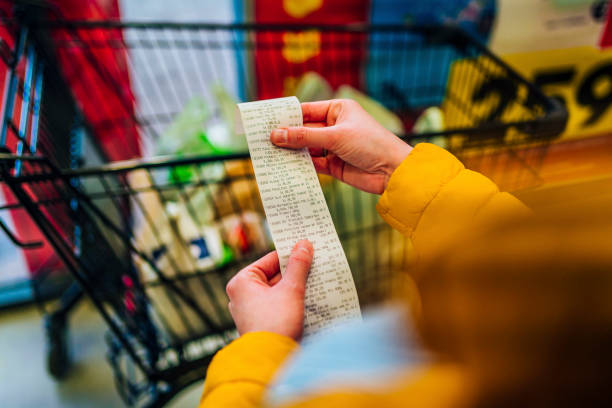
Decide how much you can comfortably spend each month and stick to it. Review your receipts to find recurring items you might replace with cheaper alternatives or eliminate altogether.
Building awareness around your habits is key to consistently saving money on groceries in the long run.
Frequently Asked Questions (FAQ)
1. What’s the best day to shop for discounts in UK supermarkets?
Most supermarkets, including Tesco and Sainsbury’s, apply yellow-sticker discounts in the evenings after 6 PM. Sundays and Mondays also tend to have the most clearance items.
2. Is buying in bulk always cheaper?
Only for items you use regularly or that won’t expire quickly. Staples like rice and pasta are ideal, but perishables should be avoided in bulk unless you can freeze them.
3. Which supermarkets are cheapest in the UK?
As of 2025, Aldi and Lidl remain the most affordable options, consistently ranked top by Which? for value and customer satisfaction.
4. How can I save on fresh produce?
Buy local and seasonal fruits and vegetables, visit markets near closing time, or use food-saving apps for discounted items.
5. Does cooking at home really save money?
Yes. Preparing your own meals can be 50–70% cheaper than takeaways or pre-packaged foods, and it allows for healthier, budget-friendly meal choices.
Conclusion: The Long-Term Benefits of Saving Money on Groceries
Learning how to save money on groceries is more than a temporary fix — it’s a lifestyle change that builds financial stability and reduces stress.
By meal planning, shopping strategically, embracing store brands, and reducing waste, you can lower your grocery bills without compromising quality or nutrition.
Over time, these habits create lasting benefits, from freeing up funds for savings and travel to promoting healthier eating habits. For UK households, mastering saving money on groceries means gaining control over one of life’s biggest ongoing expenses.
Ready to start cutting your grocery costs?
Download our Free Grocery Savings Checklist today and join thousands of UK readers already transforming their food budgets.
Share your own tips for saving money on groceries in the comments, or subscribe to our newsletter for more practical budgeting advice.
